


Understanding Receipt Paper Rolls: Types, Sizes, and Uses

In today’s digital age, where transactions are predominantly electronic, the significance of receipt paper rolls might seem diminished. However, for businesses ranging from retail stores to restaurants, receipt paper rolls remain an essential part of daily operations.
SMI Paper Industry Sdn Bhd recognizes this importance and aims to shed light on the various types, sizes, and uses of receipt paper rolls. By understanding these fundamentals, businesses can ensure smoother operations, better record-keeping, and improved customer service.
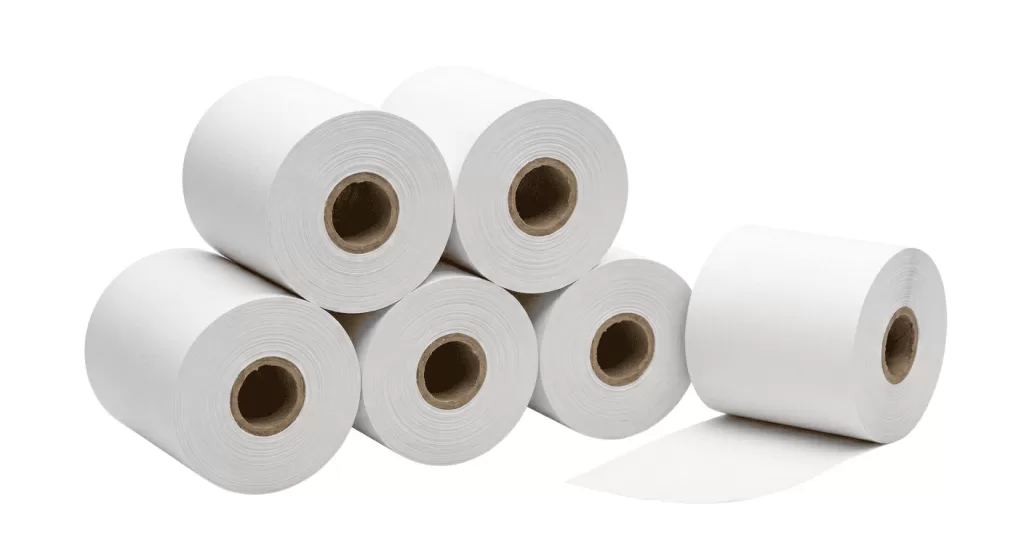
Types of Receipt Paper Rolls
Receipt paper rolls come in different types to cater to various printing needs.
Thermal receipt paper is widely used in point-of-sale (POS) systems, utilizing heat-sensitive paper to produce text and images when heat is applied. This eliminates the need for ink or ribbons, making it faster and more efficient for high-volume environments. Many businesses rely on a consistent supply from an experienced ATM paper rolls manufacturer to maintain smooth daily operations.
On the other hand, bond receipt paper, made from wood pulp, features a plain surface suitable for dot matrix or impact printers. It is commonly used in settings where duplicate copies are required.
Carbonless receipt paper enables duplicate or triplicate copies without the need for carbon paper, enhancing efficiency in record-keeping and documentation.
For businesses focused on sustainability, coreless thermal paper rolls are an increasingly popular option, reducing waste while providing more usable paper per roll. Many companies are transitioning to coreless thermal paper rolls as part of their environmental initiatives.
Receipt Paper Roll Sizes
When it comes to sizes, receipt paper rolls offer flexibility to accommodate different printing requirements.
The width ranges from 2 1/4 inches to 4 9/32 inches, while the length varies from 50 feet to 230 feet, catering to diverse usage frequencies and machine compatibility.
Choosing the correct size is important to:
- Prevent printer malfunctions
- Ensure smooth operation
- Reduce unnecessary downtime
Businesses should always verify their printer specifications before purchasing to ensure optimal performance.
Uses of Receipt Paper Rolls
Businesses across various industries rely on receipt paper rolls for a multitude of purposes.
In retail, these rolls are indispensable for generating itemized receipts, facilitating returns, exchanges, and maintaining accurate sales records.
In the hospitality industry, receipt paper rolls are used to issue receipts for restaurant bills, hotel bookings, and other services, ensuring transparency in billing.
In the transportation sector, receipt paper rolls play a crucial role in printing tickets, boarding passes, and fare receipts, streamlining passenger transactions in buses, trains, and airlines.
Additionally, receipts can serve as a powerful branding tool, with many businesses using pre-printed thermal paper rolls to include logos, promotions, and marketing messages directly on receipts.
Factors to Consider When Choosing Receipt Paper Rolls
When choosing receipt paper rolls, several factors need consideration.
Compatibility with Hardware
Ensure the rolls are suitable for your POS systems, printers, or cash registers to avoid operational disruptions.
Paper Quality
High-quality paper that resists fading, smudging, and tearing is essential to preserve the integrity of transaction records.
Usage Requirements
Selecting the right roll size and type based on business volume helps improve efficiency and reduce replacement frequency.
Sustainability
Many businesses are moving toward eco-friendly options such as recycled paper or sustainably sourced materials, often working with a reliable paper converting service company
Challenges of Receipt Paper Rolls
Despite their significance, receipt paper rolls come with their own set of challenges.
Fading Receipts
This issue can be addressed by using high-quality thermal paper with fade-resistant coatings.
Storage Constraints
Optimizing storage space by choosing compact or coreless rolls helps businesses manage inventory more efficiently.
Cost Considerations
Balancing cost-effectiveness with quality is crucial. Lower-quality paper may lead to higher long-term costs due to frequent replacements or printer issues, which is why many businesses partner with a dependable cash register paper rolls manufacturer for consistent quality and better long-term value.
Conclusion
In conclusion, receipt paper rolls serve as indispensable tools in modern business operations, facilitating transactions, record-keeping, and customer service across various industries.
By understanding the types, sizes, and uses of receipt paper rolls, businesses can make informed decisions that enhance efficiency, accuracy, and professionalism in their daily activities. Choosing the right paper type, size, and supplier plays a key role in ensuring smooth operations and long-term reliability.
For businesses looking to streamline their supply process, requesting a quote can help identify the most suitable solution based on specific operational needs.
Frequently Asked Questions (FAQs)
What are the main types of receipt paper rolls?
The main types include thermal paper rolls, bond paper rolls, and carbonless paper rolls. Each type is designed for different printers and business needs.
What size receipt paper roll should I use?
The correct size depends on your printer model. Common widths include 57mm and 80mm, but it is important to check your machine specifications before purchasing.
Why do thermal receipts fade over time?
Thermal receipts fade due to exposure to heat, light, and humidity. Using high-quality thermal paper can help extend the lifespan of printed receipts.
Can receipt paper rolls be customised with branding?
Yes, businesses can use pre-printed receipt paper to include logos, promotions, and advertisements directly on receipts.
Are there eco-friendly receipt paper options available?
Yes, options such as recycled paper and coreless thermal paper rolls help reduce waste and are more environmentally friendly.