

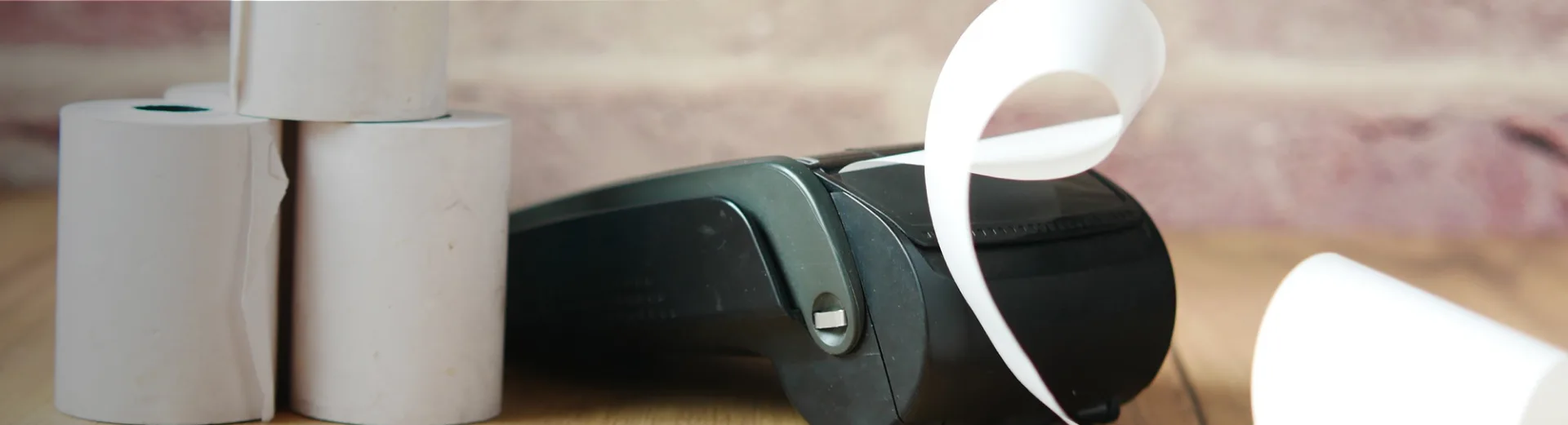
What are thermal paper rolls?
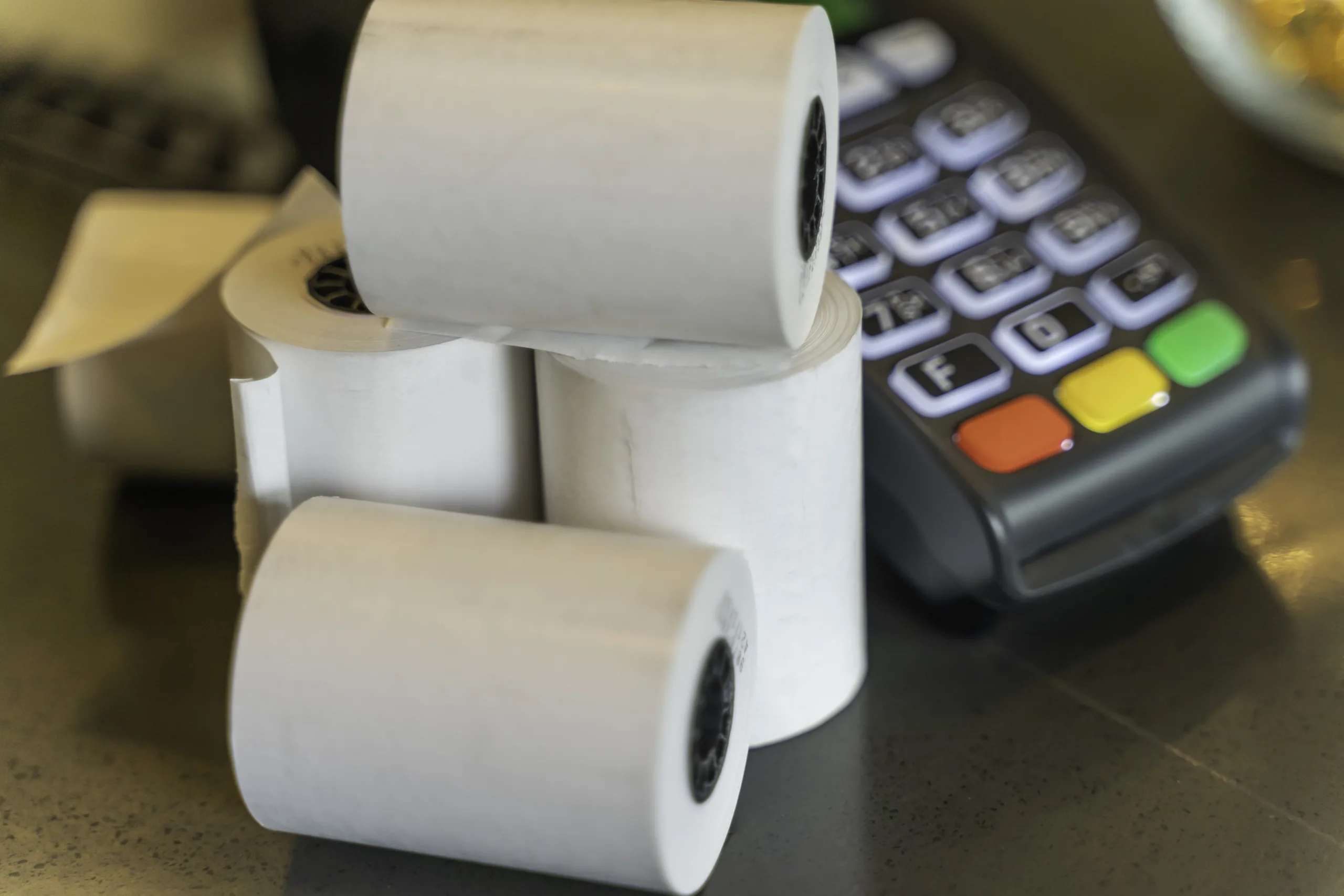
Thermal paper is more than simply standard paper; it has a plethora of advantages. These papers are not the same as those we use in our daily lives, such as note pads and registers. Thermal paper rolls are currently widely utilized in banking and other businesses worldwide. Thermal paper is a form of paper with a chemical coating on the outside that allows the paper to change color when exposed to heat.
The surface of the thermal paper has been soaked with a dye and a few chemicals. When the paper is heated, the dye reacts with the acid, causing the paper to change color. There is also a protective layer on top of the thermal paper to ensure that it does not fade due to UV radiation, water, or oil and that it is not damaged. This layer also shields the paper from being damaged by the printer’s heat.
Before the widespread use of thermal paper, this paper was expensive and was only utilized on a limited basis. They’ve only been popular in the last several years. Thermal papers are now often used by banks: the receipt and ATM receipt papers and the receipt that you typically receive while purchasing elsewhere are thermal papers.
Thermal paper has a few distinct advantages, which are the reasons why it is widely utilized. These papers have good printing quality, which means that the print quality is considerably better than regular papers. They are simple to use with all other printing applications because you can easily align on them.
Thermal sheets are commonly utilized in various businesses, including airline tickets, gas stations, hotels, and retail outlets. Thermal paper rolls are now readily available and reasonably priced; they are around the same price as ordinary papers, but they are currently used daily by many enterprises.
Lastly, the advantage of thermal paper rolls is that they never become trapped in the printer or are harmed by the heat generated by the printer head. If you run an environmentally conscious business, you should consider using recycled thermal paper made from post-consumer waste. This paper does not have the same brightness as the original thermal paper, but it is less expensive and of higher quality.